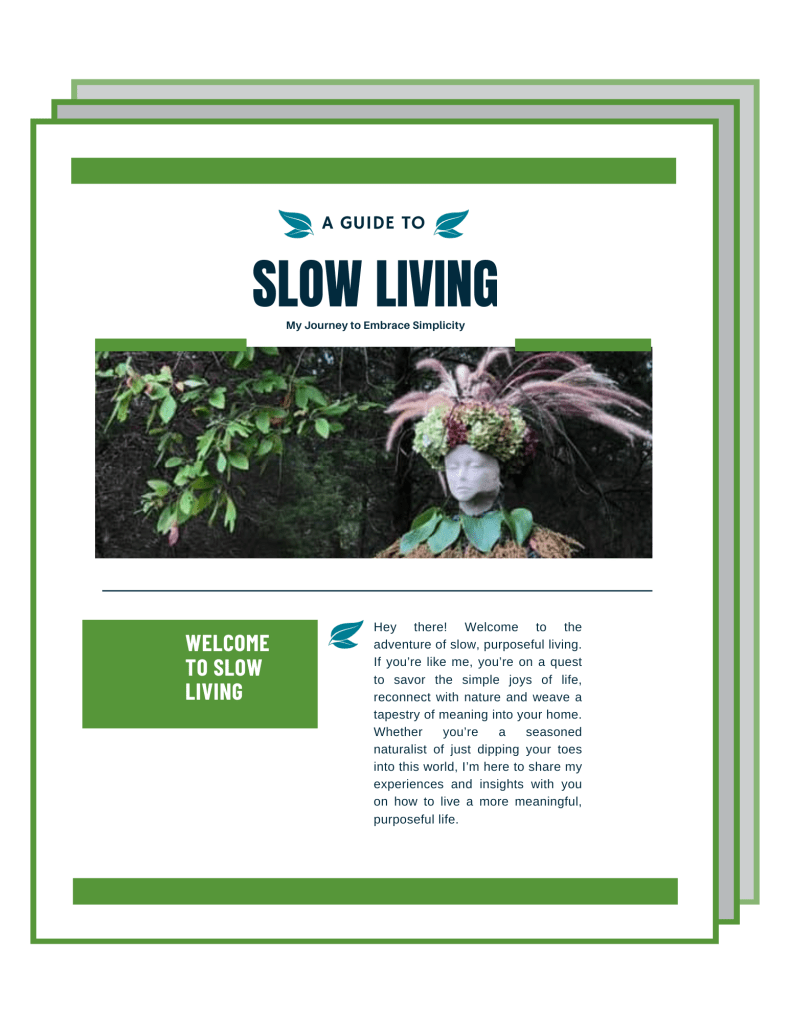
Your Path to a Green Thumb
Are you looking to embark on a journey to become a green-thumbed gardener and grow your own fresh, delicious vegetables? Planting and harvesting your own vegetables is not only rewarding but also a sustainable and cost-effective way to enjoy fresh produce right from your backyard. However, to ensure a successful and bountiful harvest, it’s important to have a plan in place and access to reliable guidance. Let’s walk through the basics of vegetable planting and harvesting, and I’ll show you a valuable resource to guide you through the entire process.
Getting Started with Vegetable Planting
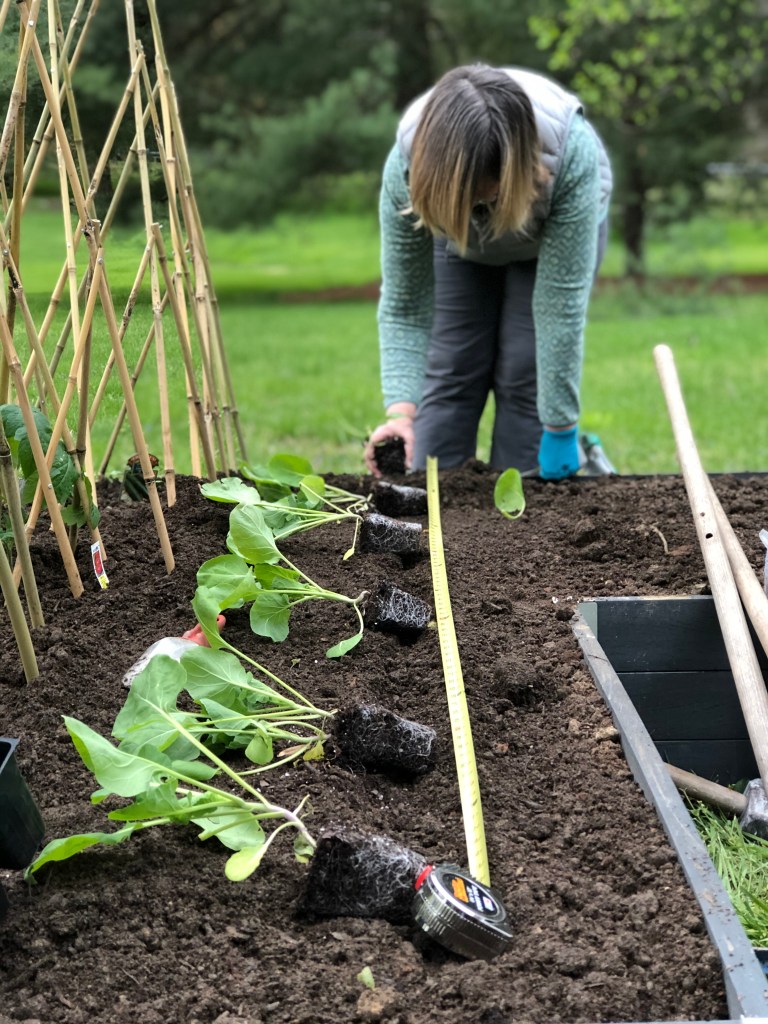
The first step to a thriving vegetable garden is proper planning. To get started, you need to consider the following factors:
- Location: Choose a sunny spot in your yard with well-drained soil. I really like a raised bed garden that is easy to put together and lets me create different shapes with it. Here is the link to mine. It was easy to fill up with the right soil.
- Vegetable Selection: Decide which vegetables you want to grow, consider your climate and preferences. Grow what you like to eat!
Using the Extension Service for Guidance
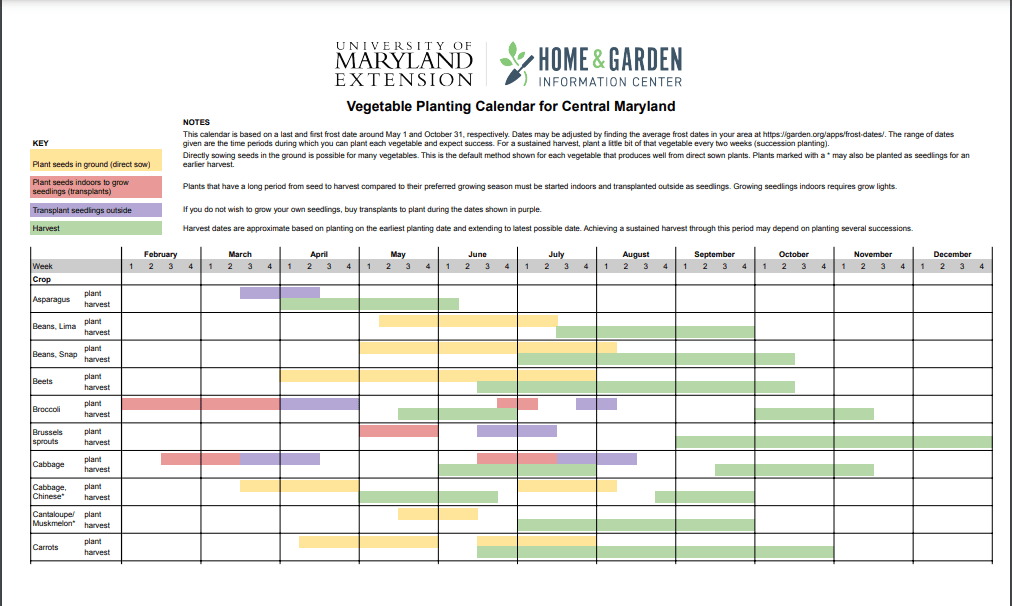
To make the best choices for your specific location and climate, check out your local extension service. The University of Maryland Extension, for instance, offers an excellent online resource known as the “Vegetable Planting Calendar” (https://extension.umd.edu/resource/vegetable-planting-calendar). This calendar provides valuable information tailored to your area, including when to plant seeds, when to transplant, and when to harvest. It’s an invaluable tool for gardeners looking for precise guidance.
Planting and Caring for Your Vegetables
Now that you have your plan in place, it’s time to get your hands dirty! Here are some general guidelines for successful vegetable planting:
- Prepare the Soil: Ensure your soil is well-prepared and nutrient rich.
- Planting: Follow recommendations from the Vegetable Planting Calendar for your area.
- Watering: Be consistent with your watering schedule, keeping the soil consistently moist.
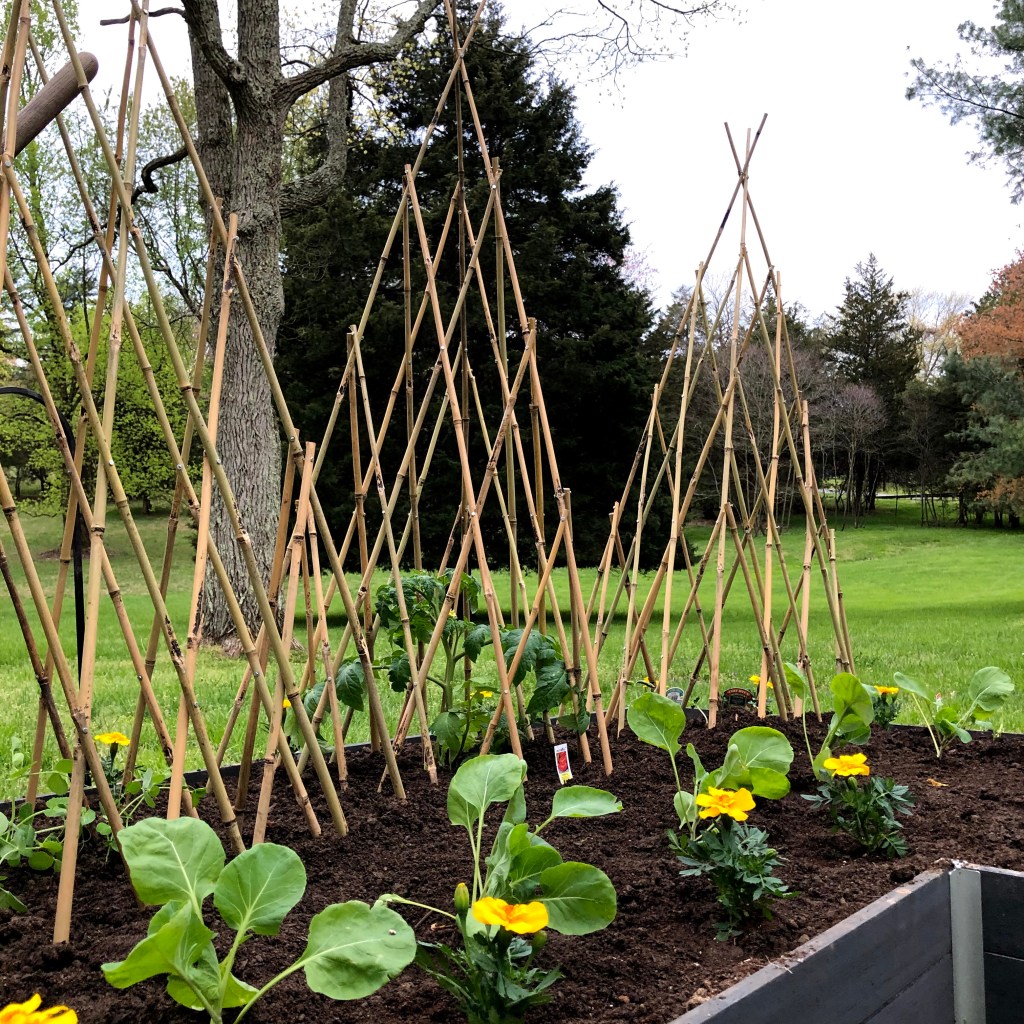
- Weeding and Pest Control: Regularly check for weeds and pests, take appropriate action if necessary. The bamboo garden trellis protected the pepper plants from falling and kept them tucked away from the deer. Shop the bamboo garden trellis.
Harvesting Your Vegetables
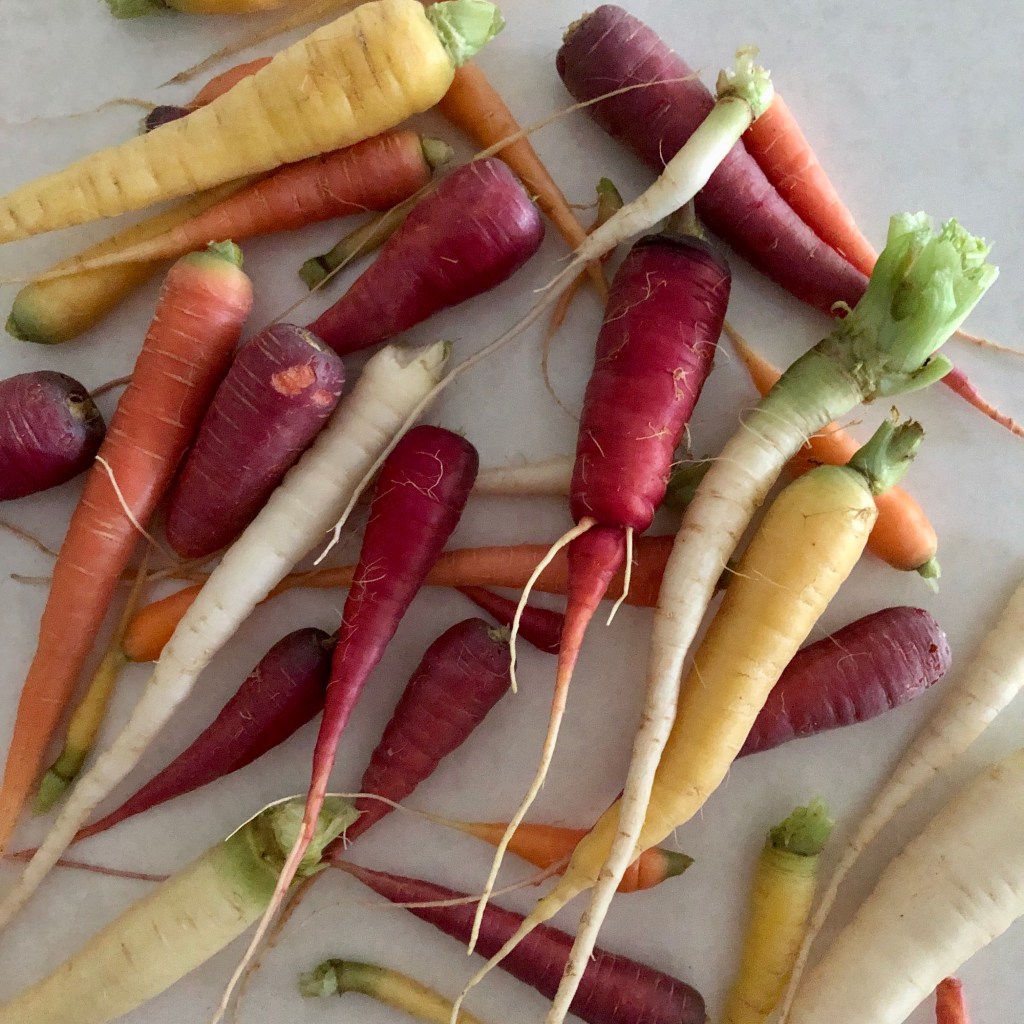
The joy of gardening comes full circle when you’re ready to harvest your homegrown vegetables. Keep these tips in mind for a successful harvest:
- Timing: Harvest vegetables when they reach their peak ripeness. Check the Vegetable Planting Calendar.
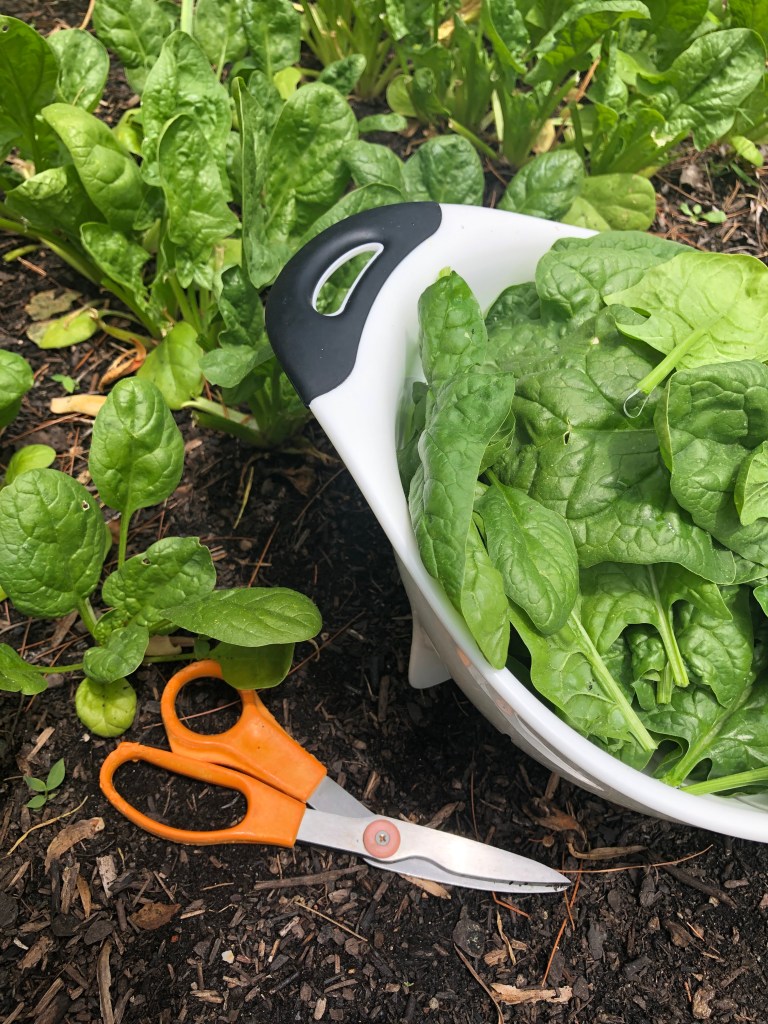
- Tools: Use the right tools for the job, such as pruners or garden shears. The bamboo garden trellis protected the pepper plants from falling and kept them tucked away from the deer. Shop the Bamboo Garden Trellis
Ongoing Learning and Community Engagement
Vegetable gardening is a continuous learning process, and the more you know, the better your results will be. Think about joining a local gardening club or community garden to share experiences and learn from fellow gardeners. Extension services often offer workshops and events that can further enrich your gardening knowledge.
Becoming a successful vegetable gardener requires careful planning, the right resources, and a lots of patience! The Vegetable Planting Calendar provided by your local extension service, such as the University of Maryland Extension, is a great tool to coach you through the planting and harvesting seasons. By following their recommendations and staying engaged with your local gardening community, you’ll be well on your way to enjoying a bountiful harvest of fresh, homegrown vegetables.
So, grab your gardening gloves and get ready to cultivate your green thumb!